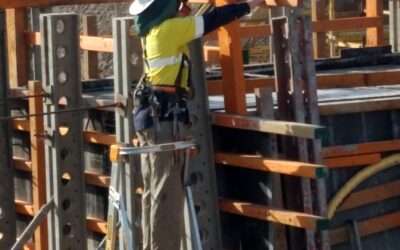
In the civil concrete and formwork game, no two jobs are the same. One week you are pouring a driveway for a small builder; the next, you are coordinating massive tilt-up panels for a Tier 1 Principal Contractor (PC).
The challenge for many subcontractors is maintaining a safety system that meets the law (WHS Act) but is flexible enough to satisfy the varying—and often demanding—requirements of different PCs.
I have been working with a local concrete and formwork business to solve this exact problem. We developed a model that gives them a compliant baseline for daily operations, with the ability to “scale up” their safety support for major projects.
1. The Baseline: A Workable Framework
First, we established the essentials. The business needed a framework to manage their standard risks—civil concrete works and formwork—without drowning in paperwork.
We provided a robust WHS Compliance System designed for a PCBU (Person Conducting a Business or Undertaking). This included:
-
Editable SWMS: We supplied Safe Work Method Statements in Word format. This allows them to quickly tailor the documents to specific site conditions rather than forcing a generic document onto every job.
-
Supporting Documents: All the necessary safety documentation including Policy, Company induction, Plant Risk Assessments, Incident Reporting, communication and consultation requirements along with supporting registers and checklists to meet legislative requirements.
This gave them the independence to manage their standard, day-to-day projects on their own.
Safeguard Business Consulting help subcontractors develop flexible safety systems that meet WHS requirements
2. The “Plug-in” Safety Manager for Complex Projects
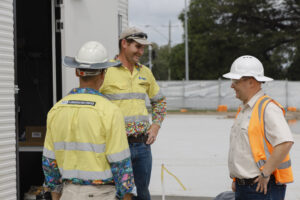
Where this partnership really shines is during high-risk or high-compliance projects. When the business lands a complex job—specifically those involving tilt-up panels or strict Principal Contractors—they “loop me in.”
For a fixed fee per project, I act as their project safety lead. This involves:
-
Onboarding: I manage the pre-qualification and onboarding of their staff and plant to meet the PC’s specific software requirements (like HammerTech, Cm3 or Pegasus).
-
Subcontractor Management: Tilt-up work requires specialist subbies, like crane companies. I handle the engagement and compliance checks for these high-risk specialists to ensure the “lift” is planned and documented correctly.
-
Ongoing Support: I stay involved throughout the project lifecycle to troubleshoot issues and ensure the paperwork matches the progress on site.
3. Winning Work with Authority
Safety isn’t just about compliance; it’s a sales tool.
As part of our ongoing relationship, this client utilises my CV and qualifications in their tenders. By showing prospective clients that they have a qualified Safety Consultant on their team, they punch above their weight. It gives Principal Contractors confidence that this subcontractor can handle the documentation rigour of a major commercial build.
The Safeguard Standard
This model offers the best of both worlds: low overheads for standard work, and expert support for the big jobs.
- Flexibility: A core system they can run themselves.
- Scalability: Immediate access to high-level support for complex tilt-up projects.
- Cost Certainty: Project support delivered for a fixed fee.
If you are a subcontractor tired of getting bogged down by Principal Contractor requirements, let’s look at a system that works for you. Click here to book a time to talk,
Follow Safeguard Business Consulting on LinkedIn for more practical safety, quality and compliance insights.